In a move that could reshape regional travel and revive long-absent commercial service, American Airlines has submitted a formal proposal to operate daily passenger flights connecting Naples Airport (APF) and Charlotte Douglas International Airport (CLT) in North Carolina.
The proposal, which envisions launching seasonal flights as an experiment starting in December 2026, would mark the first time a major network carrier has operated scheduled commercial service out of the Southwest Florida airfield in decades. American Airlines plans to utilize regional dual-class jets for the route, carefully selecting aircraft models that adhere to the airport’s strict 75,000-pound maximum operating weight limits.
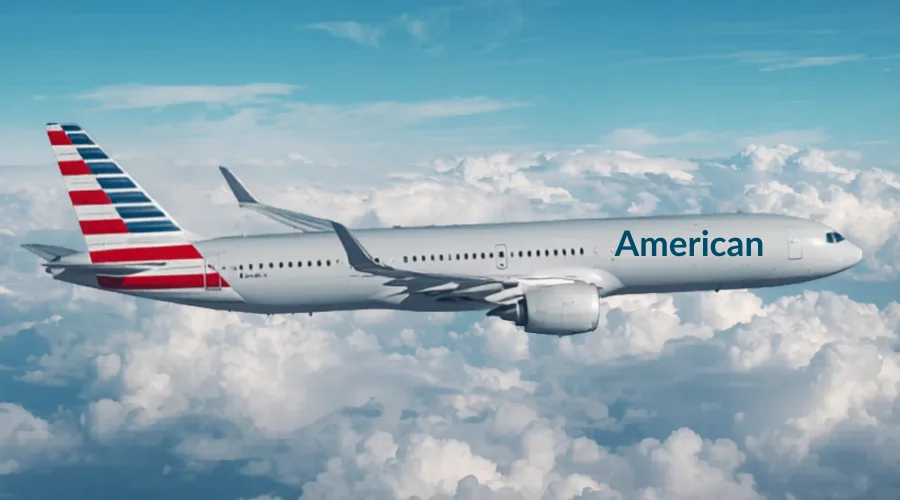
For American Airlines, adding Naples directly to its domestic network represents a highly strategic opportunity to capture close-in luxury leisure demand. During peak vacation seasons, affluent travelers bound for Naples currently rely on nearby Southwest Florida International Airport (RSW) in Fort Myers or Miami International Airport (MIA). Direct access to Naples Airport—located just minutes from downtown and the area’s iconic beaches—presents a highly lucrative premium market.
However, the airline’s proposal has reignited a deep-seated, complex conflict between local officials, residents, and airport authorities over the role of the municipal airport within the community.
Naples Airport has long been a lightning rod for neighborhood pushback. Local activists and community groups have frequently complained about private jet traffic, raising concerns over noise, flight paths, exhaust soot, safety, and increased vehicular congestion on already strained local roads. The friction between residential character and airport expansion ran so deep that grassroots efforts previously sought to relocate the entire airport—a proposal ultimately stalled by a staggering estimated price tag exceeding $1.5 billion.
The timing of American Airlines’ proposal coincides with a major shakeup in how the airport is governed. A state law that took effect on April 6, 2026, officially restructured the Naples Airport Authority board, transitioning it from a city-appointed panel to a body elected by Collier County voters. This legislative pivot is widely viewed as a move that could streamline the approval of expanded air service, much to the dismay of the Naples City Council, which has fiercely resisted the loss of its appointment power.
The structural gridlock has set up a high-stakes legal and regulatory showdown. A formal conflict-assessment meeting is scheduled for May 26, 2026, where officials will debate whether the city’s zoning authority over airport land use is entirely preempted by federal law. The meeting will also evaluate whether the city has any legal standing to terminate or alter the airport’s lease without triggering severe pushback and potential litigation from the Federal Aviation Administration (FAA).
While business leaders and travel advocates welcome the economic boost and convenience of a hub-connected hometown airport, critics argue that the surrounding infrastructure cannot sustain the influx. Detractors warn that passenger growth will exacerbate traffic bottlenecks on local thoroughfares and fail to align with the city’s upscale, slow-paced residential environment.
As the May 26 meeting approaches, the Naples Airport Authority finds itself at a historic crossroads. It must weigh a lucrative partnership with the world’s largest airline against the impassioned voices of a community determined to protect its quiet coastal skies. Whether December will bring the roar of commercial regional jets or a continuation of legal gridlock remains to be seen.
Leave a Reply